
Geological Services
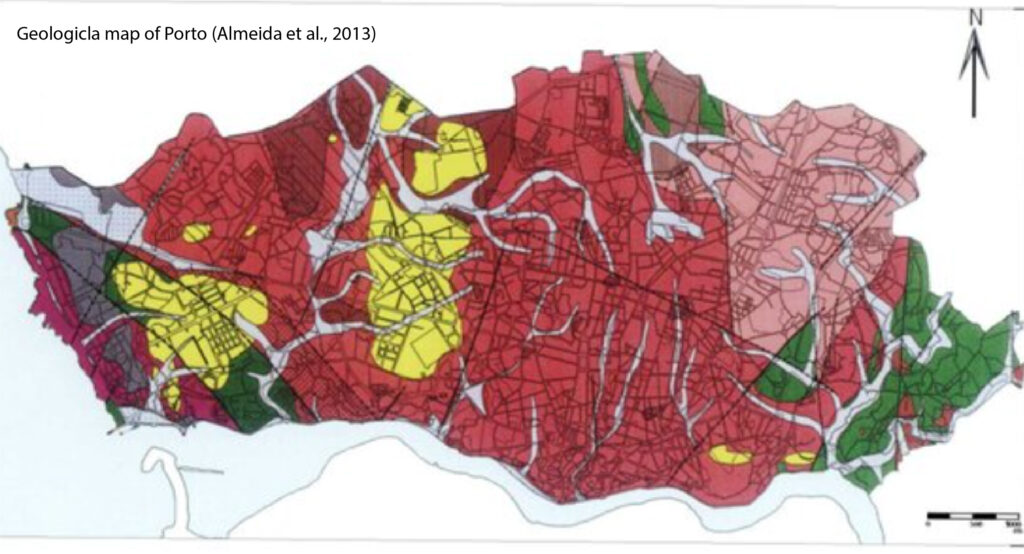
Geological mapping
Geological mapping is a foundational tool in Earth sciences — a detailed, interpretive process that translates subsurface knowledge into usable spatial information. These maps are critical for understanding the structure, composition, and evolution of the Earth’s surface and subsurface.
At Floodhound, we produce high-resolution geological maps tailored to specific project needs, supporting:
Our maps integrate field data, remote sensing, geophysical interpretations, and geostatistical analysis — providing clients with decision-ready insights grounded in science.
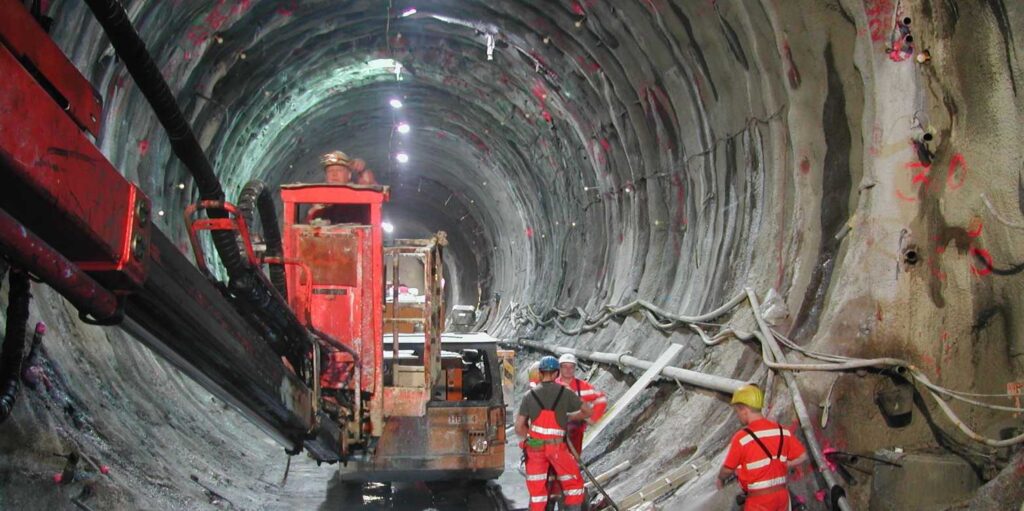
Geological engineering
Floodhound provides geological and geotechnical surveys to support both the planning and execution phases of engineering projects. Our work plays a crucial role in guiding decisions across a range of disciplines by evaluating the geological conditions that affect infrastructure development and resource extraction.
Our geological engineering services support:
By combining geological expertise with applied engineering insight, we help clients build safely, sustainably, and cost-effectively.
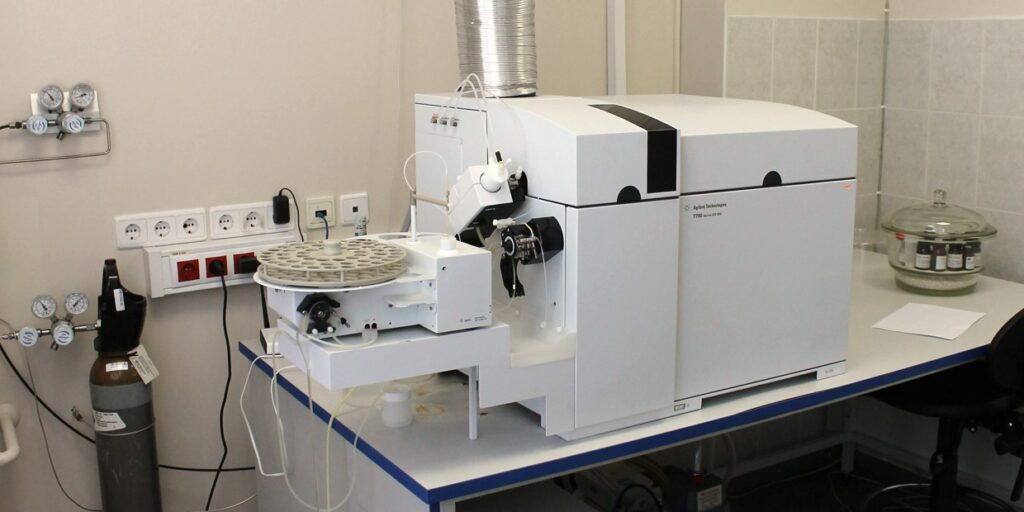
Geochemical analysis
Geochemical analysis plays a key role in understanding geological processes, reconstructing environmental histories, and evaluating natural resource potential. At Floodhound, we coordinate laboratory-based analysis of rock, mineral, soil, and water samples, combining both inorganic and organic geochemistry to deliver tailored insights.
Our inorganic geochemistry services cover:
In organic geochemistry, we focus on:
We work closely with specialized laboratories and provide clients with comprehensive reports, including figures, calculations, and interpretations aligned with their project goals.
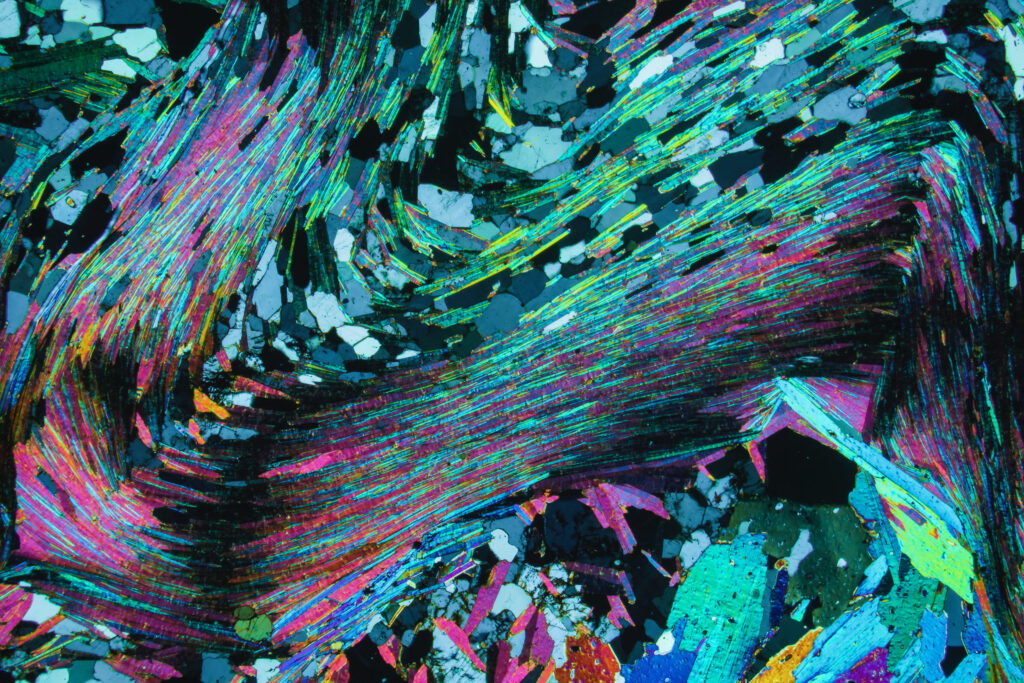
Mineralogical and petrographic analysis
At Floodhound we provide comprehensive mineralogical and petrographic analyses to support geological characterization, resource evaluation, and academic research. By combining multiple methodologies, we deliver detailed insights into the composition, texture, and structure of rock samples.
Our mineralogical analysis is based on X-ray diffraction (XRD) — a technique used to identify crystalline phases by analyzing how X-rays are diffracted through the atomic structure of minerals. This method allows precise determination of mineral types and proportions within complex samples.
Petrographic analysis focuses on microscopic examination of thin rock sections using a polarizing petrographic microscope. This enables the identification of mineral assemblages, grain textures, diagenetic features, and microstructures. When needed, we also integrate scanning electron microscopy (SEM) to validate observations or resolve fine-scale structural or compositional features.
By integrating XRD, petrography, and SEM, Yam Yabasha offers a robust, multi-scale view of rock mineralogy — supporting everything from exploration decisions to academic research.